
𖥸
Meet Our Team
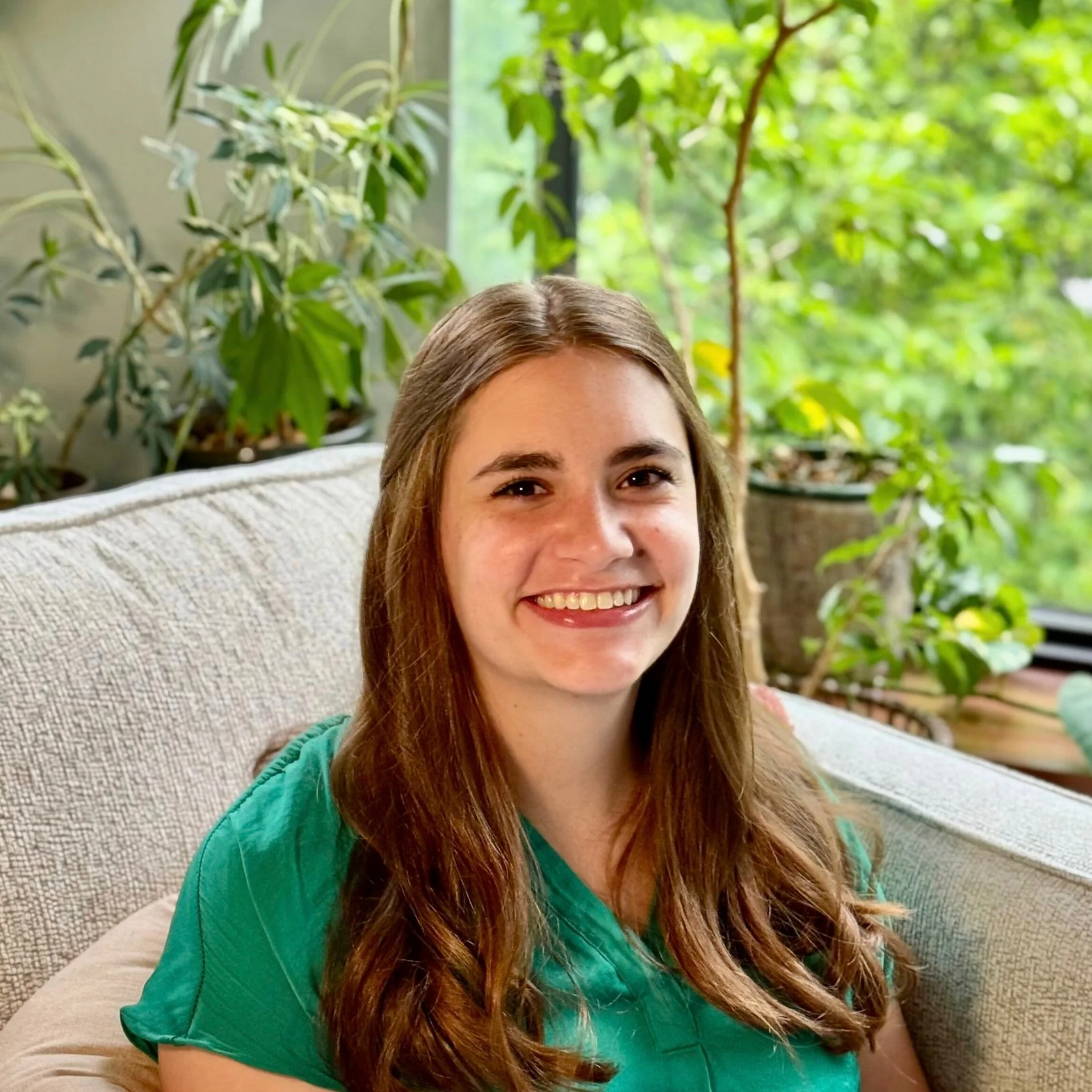
Lily Winebarger, A-LPC/MHSP
Associate Licensed Professional Counselor / Mental Health Service Provider
In-Person in Knoxville,
Online anywhere in TN
(she/her)
LGBTQIA+
Autism, AuDHD, autistic burnout, ADHD
Trauma & C-PTSD
Disabilities
Complicated family stuff
Depression & Anxiety
Cozy gaming
Cozy Gaming Sessions & Groups • Relational Cultural Therapy • Brainspotting


Adults & teens (16+)
Accepting new clients
Immediate Availability
$90-150
Sliding scale full
-
More than anything, I want you to know you don’t have to walk through life alone. I’ll be right there with you—curious, steady, and holding hope for you when it feels hard to hold it yourself.
Therapy with me is collaborative, flexible, and built to meet you where you are. I’m all for lying on the floor or picking up a video game controller if that helps make therapy less intimidating.
Therapy doesn’t have to feel clinical to be effective. It just has to feel safe. I’m proud to offer a neurodiversity-affirming, trauma-informed, and LGBTQ+ affirming space.
I view connection as an important tool for individual growth and healing. I also know that connection doesn’t always look the same.
Sometimes it looks like coloring, pottery, video games, or dungeons and dragons. However you express yourself most authentically, I promise to honor that.
I prioritize authentic connection and your comfort. My hope is to create a space where you feel accepted, understood, and safe enough to show up as your most authentic self.
-
I identify as a white, able-bodied, cisgender woman. I recognize the privileges I have received from many of my identities and how that may show up in the counseling space.
I am committed to continuously doing the work to be a culturally humble counselor and to provide a reverent space in my counseling sessions for people of all identities.
I also identify as queer and neurodivergent. As a person with AuDHD myself, I don’t just understand neurodivergence—I live it.
This is a large part of why I enjoy counseling other neurodivergent individuals.
That shapes the way I hold space: with a deeper respect for your autonomy, your experiences, your sensory needs, your communication style, and the ways you’ve survived.
Outside of counseling, I enjoy making pottery, playing the flute, spending time with friends, and playing games.
-
Training & Expertise
Brainspotting (Phase 1)
Minecraft in Group Therapy
Autistic Trauma and Recovery, The Chicago School
Autism & Trauma Training Certificate, Autism Research Institute
Introduction to Trauma-Informed Care, Trauma Informed Oregon
Master of Science in Clinical Mental Health Counseling from University of Tennessee, KnoxvilleBachelor of Arts in Psychology from Maryville College
I practice under the supervision of Dr. Joel Diambra, TN LPC/MHSP #1529

The Little Details Make Our Therapy Space Special
-
We understand that some folks need more sensory input, and some need less. Since most public spaces are super overstimulating, we try to foster the gentlest sensory experience we can (and we have other sensory tools for our clients who need more sensory input).
Here’s what we’re constantly trying to improve in our space to help make your visit with us as supportive as possible:
Lighting - we avoid use of overhead fluorescent lights wherever possible, opting for diffused, softer lighting instead of overhead lights as much as we can. All the lights in our waiting area are on dimmers that you are welcome to adjust anytime. Most of the lamps in our therapy rooms are on dimmers, and you can always ask your clinician to turn anything off, or to close the blinds. (Sometimes even natural light is way too bright.)
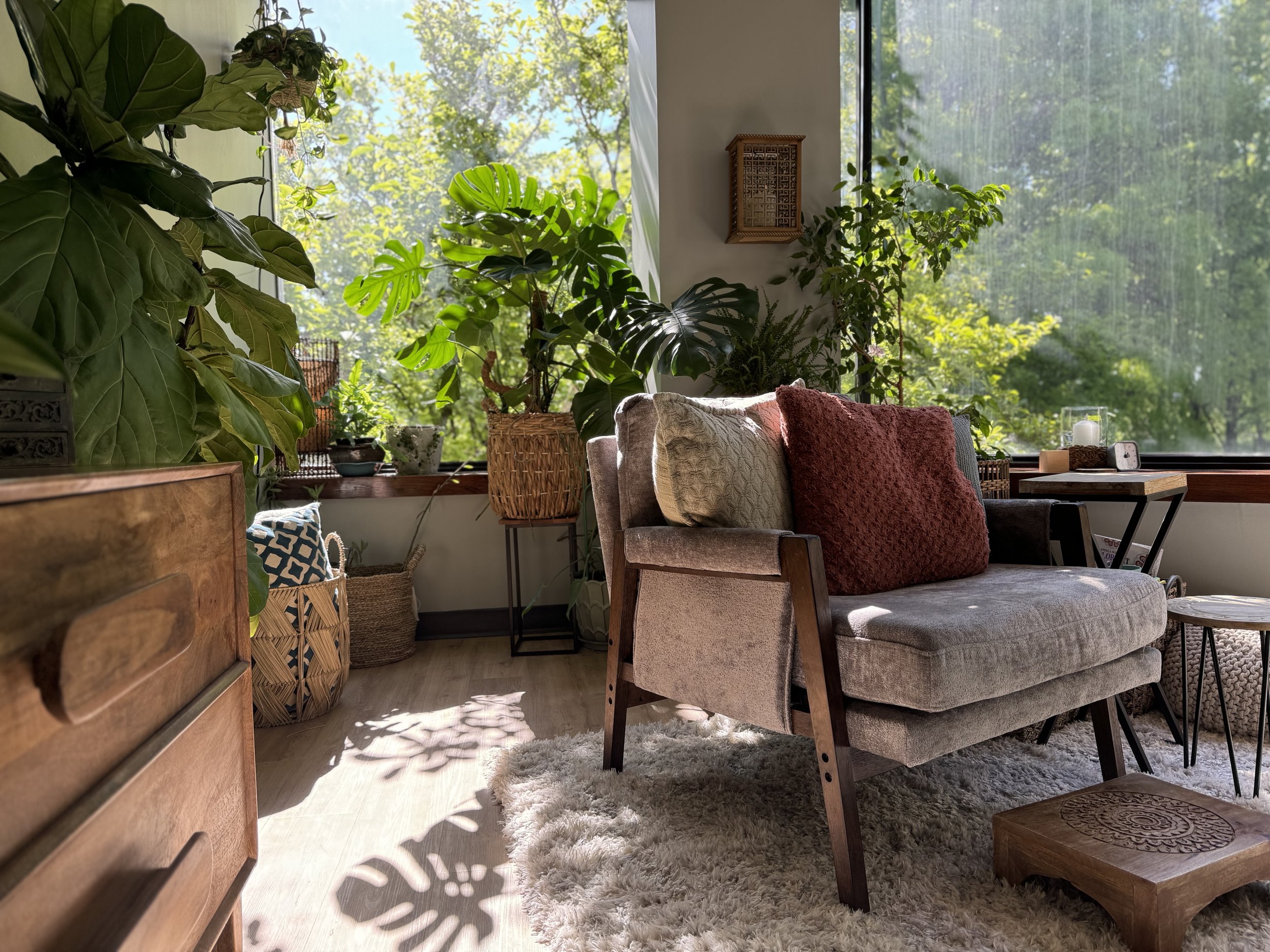
Visual noise - we try to keep clutter and “loud” prints to a minimum, filling our space with plants and earthy materials we find more soothing. You won’t see tall bookcases full of books (as much as we love books, the varying sizes and colors along with the flurry of fonts can be more sensory information than is helpful while you’re processing important things with us)
Sounds - our big rugs and multitude of plants help absorb noise; we have noise-cancelling headphones available to borrow; and we have signage reminding folks to keep conversations low and to avoid digital noises in the office
Smells - we use unscented or non-synthetic cleaners and don’t allow any clinicians in our space to use scented candles or to use nebulized/ultrasonic essential oils; we use charcoal/HEPA/UV-C filters to help the air feel fresh (if scents are a positive thing for you, we have some gentle ways of adding scent in your session without going into the vents affecting other sessions)
Tactile/movement - we have weighted blankets, pads, and pillows, and all sorts of fidgets for you to use. We invite you to wear whatever is comfortable, sit on the floor, curl up in your seat, and just be in your body however feels comfortable to you
Spatial - our waiting room has several different seating options. There are multiple areas, letting you choose what you’d like to face and what to have your back against - it is as nervous-system-friendly as we can make a public space. If seats are closer than we prefer, we throw a tall plant between them. We aim for a non-threatening (and maybe even enjoyable!) waiting experience - by staggering seats to make sure it doesn’t feel like anyone is staring at you, and creating physical and visual barriers to sit behind. We even have two waiting room doors that allow us to control traffic so people aren’t walking right across you as they come and go
-
Executive function is our higher-level functioning that helps us strategize, prioritize, focus, manage our emotions, problem-solve, make decisions, and remember what we’re doing or saying right now.
In short, to us being executive-function-friendly means that we try to help you conserve your mental and emotional energy when you’re with us. You’re carrying enough mental and emotional load trying to keep all the plates spinning everywhere else in your life.
A quick way for us tank your executive function would be to stress you out, make it difficult to get in touch with us, difficult to find us, and leave you guessing as to what will happen when you get here.
But we think therapy feels better and goes better when you can find some rest in the process. Plus we’ve learned brains are most open to the change and growth you’ve been longing for when they feel safe and met where they are.
That’s why we aim to make your time with us feel like a sigh of relief from start to finish, not just with a soothing sensory environment, but in how we aim to make you feel welcome, seen, and heard. And in how we openly address how draining systemic oppression is. And in how we set up our scheduling and physical space to be easy to navigate.
It seems to us that receiving therapy and support, of all things, should help teach your nervous system what it’s like not to have to fight against everything all the time, just to take care of routine needs.
-
While we can’t provide therapy in a cabin or field in a quiet wood away from all hustle and bustle (yet), we’ve chosen our space because it cuts down on stressors we’ve experienced in other commercial buildings:
Parking - we’ve got more than enough parking spaces and you won’t have to circle around competing for your spot or praying to the parking fairy
Entrance - in our Knoxville office you enter our office suite directly from the parking lot without having to find elevators or navigate weird hallways
Easy to find
-
Yes and no.
How we can help depends on what you’re needing to get out of doing this testing to confirm your diagnosis.
Are you needing to know for yourself, to help you with your life, career, relationships?
Are you not really looking for support to deal with your diagnosis, and are just wanting to provide official assessment documentation to work or school to request accommodations?
We shine brightest at working with you to help informally confirm/discern a suspected autism or ADHD diagnosis.
This option is desirable to lots of folks because
you have the flexibility of not putting a diagnosis on your medical record, and
you can also start working on sensory supports, accommodations, and trauma work if needed right from day one, while you’re working through your diagnosis, and without having to wait for long, often expensive testing before you get to the support part.
Though we can work with you to confirm or disconfirm your suspicions of the diagnosis, we aren’t always able to provide the official assessment or formal letter that would be needed to request work accommodations or similar.
Different systems and institutions have different requirements for that, but we’re happy to take a look at any requirements ahead of time if that’s what you’re needing.
But here’s the thing: whether the diagnosis ends up officially being there or not . . . how you’re feeling right now matters.
We truly love getting to do all of this support work no matter where the diagnosis lands because it’s usually struggles or feeling “different” that made you start wondering about the diagnosis. We haven’t met anyone that is seeking diagnosis just for fun.
Let’s say you didn’t meet the current criteria, for example - does that mean how you feel in this moment - in your current reality - doesn’t deserve sensory supports or trauma processing, or support for navigating your relationships? Just because you don’t meet the medical system’s criteria for a certain diagnosis?
It could even be that criteria for the diagnosis continue to evolve over the next few years, just as our current understanding has exponentially expanded over the last several years.
No matter your diagnosis, we do a lot of work to help you get supports in place and adjust to this new way of seeing life/self.
It’s different for everyone, but often looks like helping support sensory sensitivities, figuring out some accommodations for life/relationships - and so often there’s some grief, internalized shame, and trauma to work with, too.
If that’s not what you’re looking for and you’d just like meds or the old-school testing for now, we have some Psychiatric Nurse Practitioners that we partner with who can get you squared away for that part of the process.
-
We do not have a prescriber on staff but have trusted Psychiatric Nurse Practitioners we partner with for medication management.
They usually have quick availability and we trust them with our own families - and they are truly neurodivergent-affirming, most of them having extensive lived experience themselves.
-
We are out of network with all insurance companies, but you can check to see if you have out-of-network benefits just below.
It may be worth checking in with your insurance plan’s administrator, just in case - some plans may reimburse for out of network sessions or let your sessions count toward your deductible.We can give you a receipt with the medical codes they’ll need (called a superbill) if you have confirmed that they will reimburse you.
(If you have an HSA or FSA, we can run those cards like a regular credit card and provide any receipts the HSA/FSA might request.)
You’ll want to check in with your insurance company to see what you need in order to get counseling covered or reimbursed, whether in-network or out-of-network.
Here are some questions to ask about your plan's coverage:
Do they reimburse for counseling? For out of network counseling?
Do they reimburse for the type of counseling you’re doing? (some plans may reimburse for individual therapy but not for groups or for couple/family therapy)
Do they require a diagnosis in order to cover your sessions?
How many sessions will they reimburse you for? Do they limit the amount of sessions they’ll cover based on your diagnosis
Do they require special permission for sessions over a certain length (for instance, 60-75 minutes vs. 45 minutes)
How much do they reimburse per session? Is it a flat amount, or a percentage of what you paid?
Will they allow unreimbursed sessions to count toward your deductible?
It’s important to find out these details before starting therapy so that both you and we have an idea of the expectations.
Sometimes insurance plans cover enough sessions to give you coping skills to change outward behaviors, but not enough sessions to dig into the deep, healing heart-work we believe can sometimes better help sustain those changes and feel more like yourself.
There are absolutely exceptions to that, though, so again: it’s always worth checking in with them.
